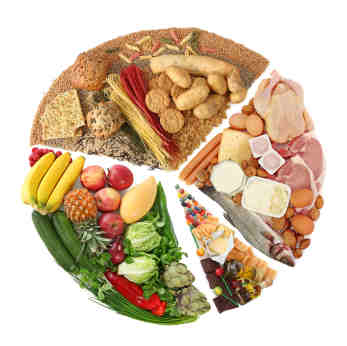
Well, as I stated in my blog post "How can we prevent ourselves from being underweight, overweight, and obesity through diet?", my healthy weight is between 95 and 128 pounds. Currently my weight is at the highest it has ever been. My weight is currently 147 pounds, and my body mass index is 28.7. As we know, that is considered overweight. I started a new job where I sit pretty much all day, and I eat a piece of candy out of the candy bowl in the lobby every time I walk by it. I also drink way too much caffeine. My plan of action is to start small. My biggest issue is the candy jar. How I will combat this is by putting out another bowl that is full of nuts and other small, healthy snacks. the amount of diet soda that I drink. Between the diet soda and coffee, I hardly drink any water. That will be where I start. I will begin measuring my water intake, striving for sixty-four ounces a day. If I'm drinking that much water, then I will not have much room left for any other beverages. Once I have my candy and caffeine problem squash, I will move on to subsituting my unhealthy meals for healthy meals.
Having an action plan is the most important thing I can cling to, and making sure that I do not try and make too many changes at one time is second. If I make too many changes at once, then I will surely fail. Change is difficult, so I am not going to make it too hard if I want the changes to last.
Now that I have completed the nutrition class, I feel like I am armed with icredible knowledge to change my life. I honestly believe that I can make the changes I need to make and stick to them. I feel big changes coming, and I could not be more excited about it!
Sunday, November 23, 2014
How can we prevent ourselves from being underweight, overweight, and obesity through diet?
Underweight is defined as having a body mass index (bmi) under 18.5, or under healthy weight. Overweight is having a bmi of 25 to 29.9 bmi, or over healthy weight. Obesity is having a bmi of over 29.9, which is extremely over healthy weight. The first step in preventing all three of these situations is knowing your healthy weight range. For example, I am five foot, zero inches tall. My healthy weight range is 95 pounds to 128 pounds. As they say, knowing is half the battle. I can now set achievable goals based on knowing where I should be. I also just said a very important word in the that last sentence. This word is achievable. If you weight 200 pounds are your healthy weight range is 135 to 155 pounds, you are probably not going to reach a goal of 100 pounds and look like a supermodel, at least not naturally or healthily. Remember that we, as humans, as suppose to be at healthy weights. Also, keep a food journal. This will help you both stay accountable and remember what you have eating in a day. It is very easy to forget your morning snack of almonds or a donut by the time you sit down for dinner. And lastly, make sure that the foods you are choosing and fueling, not fighting your body. Eat plenty of nutrient-dense foods for optimal health
(Sizer & Whitney,
2013).
Reference:
Sizer, F. & Whitney,
E. (2013). Nutrition: Concepts and Controversies
(13th ed.). Mason, OH: Cengage Learning

Reference:
Nutrition requirements for our lifetime, from beginning to end
Pregnancy: the beginning of life.
Women’s nutrient needs increase for specific nutrients during pregnancy so they need to be careful food choices. Women need to choose more nutrient-dense foods from the five food groups to meet their needs. Ample carbohydrates are needed as well as 25 grams more protein than that of a non-pregnant women. Folate, Vitamin B, Vitamin D, Calcium, and Iron also need increased in the diet of a pregnant woman to assist in a healthy pregnancy. Prenatal vitamins are also suggested to ensure proper nutrient intake. Things to avoid would be cigarette smoking, medicinal drugs and herbal supplements, drugs of abuse, environmental contaminants, foodborne illness, vitamin-mineral overdoses, restrictive dieting, sugar substitutes, caffeine, and alcohol
(Sizer & Whitney,
2013).
Infancy
Infants grow rapidly and their metabolic rate is extremely high so they need a major supply of nutrients, nearly twice as much as adults. Vitamin A, Vitamin C, Vitamin D, Calcium, Iron, and Iodine are crucial. Water is also extremely important for the development of infants. Breast milk is recommended to give an infant the best chance of receiving the needed nutrients, so mothers need to ensure that they are meeting their own nutritional needs
(Sizer & Whitney,
2013).
Childhood and Adolescence
Protein needs increase as children grow, and carbohydrate and fiber needs are determined by glucose use by the brain. Fat and fatty acids need to stay within recommended bounds. Children’s vitamin and mineral needs increase as they grow, vitamin D, calcium, and iron are still crucial. Once we reach adolescences, nutrition becomes more important than during any other time in life except for pregnancy and lactation. Iron, Vitamin D, and Calcium needs are majorily increased (Sizer & Whitney, 2013).
Adulthood
Nutrition needs become more individual with age, genetics and medical history. Protein recommendations are about the same throughout adulthood. Ample carbohydrates allow for healthy brain function, and ample fiber provides healthy digesting function. Consuming enough fats becomes more crucial as we age. Vitamins A, D, B12, and other vitamins are also crucial in adulthood. Proper water intake, iron, zinc, calcium, and supplements are needed in adulthood as well (Sizer & Whitney, 2013).
Although the amounts of different nutrients change over our lifespan, one thing remains the same. We need healthy foods to have an optimum life!
Reference:
Sizer, F. & Whitney,
E. (2013). Nutrition: Concepts and Controversies
(13th ed.). Mason, OH:Cengage Learning
Macronutrients: What happens after when we eat them?
So we learned during my previous post that macronutrients are essential to our body. But how does our body process them? Let's start with carbohydrates. In order to digest carbohydrates, our body must first "render the starch and disaccharides from the food into momsaccharides that can be absorbed through the cells lining the small intestines" (that sounds exhausting). Starch (the largest of the carbohydrate molecules) needs the biggest breakdown while disaccharides need to only be split once before absorbtion can be acheived. Digestion of starch starts in the mouth with an enzyme in saliva begins to break it down. Once you begin chewing, disaccharides seperates from the starch. Starch digestion stops once it gets to the stomach but starts again when it arrives at the small intestine. The starch is then brokedown into disaccharides and polysaccharides. It also breaks down Sugars (sucrose and lactose) from the food and maltose and polysaccharides from the starch into monosaccharides for absorbtion. Once the monosaccharides are created, they are then picked up by our blood stream and sent to the liver. The liver can convert fructose into galactose and galactose into glucose. The circulatory system then transports glucose to our cells. Fibers, however, are fermented by the bacteria in the colon. Is any one else impressed by the human body? And we haven't even gotten to proteins or fats yet
(Sizer & Whitney,
2013).
Unlike carbohydates, protein digestion does not begin in the mouth. It begins in the stomach. Once in the stomach, acid breaksdown the protein strands and an enzyme splits amino acid strands into ploypeptides and a few amino acids. Once in the small intestine, enzymes from the pancreas and intestine split the protein strands into tripeptides, dipeptides, and amino acid strands. Enzymes on the lining of the small intestine and in the cells then split tripeptides and dipeptides. The intestinal cells then absorb and transfer amino acids to the bloodstream. Once in the bloodstream, amino acids are transported to all the cells in the body (Sizer & Whitney, 2013).
For fats, not much digestion takes place in the mouth and stomanch. Once in the small intestine, digestive enzymes perform most of the digestion. Bile mashes the fat, and then enzymes split triglycerides into fatty acids, glycerol, and monoglycerides. Then the parts are absorbed by intestinal villi. Glycerol and short-chain fatty acids go directly into the bloodstream. The cells of the intestinal lining then change large lipid fragments back into triglycerides and mix them with protein which forms chylomicrons that journey through the lymph vessels into bloodstreams. In the large intestine, a small amount of cholesterol stuck in the fiver leaves our body with feces. (Sizer & Whitney, 2013).
Before taking this nutrition class, I can honestly say that I had no idea that our body did so much work every day! Simply amazing.
Sizer, F. & Whitney, E. (2013). Nutrition: Concepts and Controversies (13th ed.). Mason, OH: Cengage Learning
Unlike carbohydates, protein digestion does not begin in the mouth. It begins in the stomach. Once in the stomach, acid breaksdown the protein strands and an enzyme splits amino acid strands into ploypeptides and a few amino acids. Once in the small intestine, enzymes from the pancreas and intestine split the protein strands into tripeptides, dipeptides, and amino acid strands. Enzymes on the lining of the small intestine and in the cells then split tripeptides and dipeptides. The intestinal cells then absorb and transfer amino acids to the bloodstream. Once in the bloodstream, amino acids are transported to all the cells in the body (Sizer & Whitney, 2013).
For fats, not much digestion takes place in the mouth and stomanch. Once in the small intestine, digestive enzymes perform most of the digestion. Bile mashes the fat, and then enzymes split triglycerides into fatty acids, glycerol, and monoglycerides. Then the parts are absorbed by intestinal villi. Glycerol and short-chain fatty acids go directly into the bloodstream. The cells of the intestinal lining then change large lipid fragments back into triglycerides and mix them with protein which forms chylomicrons that journey through the lymph vessels into bloodstreams. In the large intestine, a small amount of cholesterol stuck in the fiver leaves our body with feces. (Sizer & Whitney, 2013).
Before taking this nutrition class, I can honestly say that I had no idea that our body did so much work every day! Simply amazing.

Reference:
Sizer, F. & Whitney, E. (2013). Nutrition: Concepts and Controversies (13th ed.). Mason, OH: Cengage Learning
Macro and Micronutrients: What are they?
Macronutrients, micronutrients, and water are all essential to promote growth, development, and regulate body functions. Macronutrient include protein, carbohydrates, and fats. They are required by our bodies in large amounts and provide us with energy. Proteins are the components of all living cells. They contain many substances like enzymes, hormones, and antibodies which are needed quality body functioning. They are needed by the body for growth and tissue repair. You can obtain protein from foods like meat, fish, eggs, milk, and legumes (Unicef, n.d.).
Carbohydrates is a group of organic compounds that includes sugars, starches, celluloses, and gums. It serves as a large energy source. It is produced by photosynthetic plants, and it contains only carbon, hydrogen, and oxygen (Unicef, n.d.).
Fats are naturally occuring soft greasy solids that are esters of glycerol and certain fatty acids (Unicef, n.d.). They occur in some plants and in tissue of animals which forms a reserve energy source and help the body absorb certain vitamins such as A, D, E, and K. Fat can be found in meat, poultry, nuts, milk, butters and margarines, oils, lard, fish, and grain products (McKinley Health Center, 2014).
Micronutrients include minerals, vitamins, and trace elements. They are needed in small amounts in the body, but together they are vital for a body to fuction properly. Their most important job is to facilitate many chemical reactions to happen in the body (Unicef, n.d.). Essential minerals include calcium, sulphur, iron, potassium, phosphorus, sodium, and magnesium. Trace elements include chromium, cobalt, zinc, selenium, iodine, flouride, manganese, silicon, boron, and copper (Unicef, n.d.).
There are two type of vitamins: water-soluble and fat-soluble. Water-soluble vitamins include vitamin B6, vitamin B2 (riboflavin), vitamin B1 (thiamin), vitamin B12 (niacin), vitamin C, pantothenic acid, biotin, and folic acid. Fat-soluble vitamins are vitamin A, vitamin D, vitamin K, and vitamin E (Unicef, n.d.).

References:
McKinley Health Center. (2014, February 04). Macronutrients: The importance of carbohydrate, protein, and fat. Retrieved from McKinley Health Center at University of Illinois at Urbana-Champaign website: http://www.mckinley.illinois.edu/handouts/macronutrients.htm
Unicef. (n.d.). Why care about nutrition? Retrieved from Basic Concepts of Nutrition in Emergencies website: http://www.unicef.org/nutrition/training/2.1/5.html
Saturday, November 22, 2014
A Healthy Diet and the Challenge to Eat It
There are many foods that we can consume to help prevent, not create disease. But how do we know what to eat? Well, we have to know what a healthy diet looks like. First, a healthy diet must provide all the essential nutrients (water, carbohydrate, healthy fat, protein, vitamins, and minerals), fiber, and energy to maintain health and body weight. Also, a healthy diet will provide foods in proportion to each other so that foods high in some nutrients to not overtake foods that are high in other nutrients. A healthy diet makes sure that energy intake does not exceed energy needs in order to control body weight as well. Ensuring that constintuents do not excess the set limits is also important. There needs to be a variety of nutrient-rich foods in a healthy diet as well (Sizer & Whitney, 2013).
Recognizing a healthy diet, however, is not the hard part. The hard part is adopting it. For some people, getting into a habit and changing your lifestyle is the most difficult step to adopting healthy nutrition. You brain has to convert your taste buds from craving processed, unhealthy foods to healthy, nutrient-dense foods. You also have to make the time to prepare healthy foods. There is no microwave button to generate a nutritious meal. You also have to make the time and generate the funds the buy healthy foods. Whole foods have a much shorter shelf life that processed, packaged foods. They also typically cost more money. The way I have started looking at this though, is that the price of multiple doctor visits and lab work to determine your health status is much more expensive than spending a little extra time and money on food that will keep you away from there!
Sugars (sucrose and lactose) from food and maltose and polysaccharides from the starch
The Driving Force Behind Our Food Choices
So the decision to choose healthy should be an easy one for us to make since we know the damage poor nutrition can do, right? Well, as we know, that is not necessarily the case and for many different reasons. One reason is convenience. Personally, I believe this is one of the main reason that Americans are so unhealthy. It is way too easy for us to go through a fastfood drive-thru or buy the instant meals on the supermarket shelves. It is much easier to throw a "meal" in the microwave or have someone else make a "meal" for us, than to buy and prepare a meal with fresh, nutrient-dense foods. There are also many other factors that control our food choices such as availability of healthy foods, cost, values or beliefs, emotional comfort, habit, social pressure, etc (Sizer & Whitney, 2013).
Another big reason for our food choices is our culture. Ethnic foods may be a huge part of your life but a big problem in your life as well. For example, an italian friend of mine has gained ten pounds since he temporarily moved in with his mother two months ago while his house is being built. His mother cooks pasta and other heavy carbs every evening, not to mention the fact that she cooks enough food for at least five people. Then, he takes the leftovers to work every day for lunch. As much as he loves his heritage and mother's cooking, it is starting to take a toll on him. Not only has he gained the weight, but he starting to get very lethargic as well. He used to go to the gym five days a week, now he says he is lucky if he gets there two days a week. However, if he complains to his very italian mother, she will probably be affended. Thus, the challenges of the good, but less healthy son.
Reference:
Sizer, F. & Whitney, E. (2013). Nutrition: Concepts and Controversies (13th ed.). Mason, OH: Cengage Learning
Is there a connection between nutrition and disease?
I am finishing up my Introduction to Nutrition class at Ashford University, and I can honestly say that the biggest thing that I have learned is how much our nutritional habits affect our health. Our diet choices can affect oth our present and future health, and personally, that is extremely eye-opening to me. Before I started this class, I had always believed that if exercised and did not smoke then I could eat whatever I wanted. Now that I am completing this, I can see that everything I previously believed is simply not true.
As I have just stated, our nutritional habits affect our health. Did you know that four of the top ten leading causes of death are nutrition realated? Heart disease, certain types of cancers, strokes, and diabetes mellitus are all causes of death that could potentially be prevented or the risk lowered by following healthy nutritional habits. To me, that is very sad. How many people died prematurely that could have prevented their demise? For example. Diets high in saturated or trans fats and low in fruits and vegetables can cause certain types of cancers, hypertension, type 2 diabetes, arteriosclerotic vascular disease, obesity, and stroke (Sizer and Whitney, 2013).
Other issues, such as malnutrition, are atributed to our diet as well. Those who tend to suffer from malnutrion are those with a lack of appetite, illness, an eating disorder or hope for weight loss, the very young, the elderly, those hospitalized, and the poor. Malnutrition is also extremely harmful in the fact that it and disease can and will worsen each other as well as impair the immune system. It just goes to show how important our dietary habits really are (Sizer and Whitney, 2013).
Reference:
Sizer, F. & Whitney, E. (2013). Nutrition: Concepts and Controversies (13th ed.). Mason, OH: Cengage Learning
As I have just stated, our nutritional habits affect our health. Did you know that four of the top ten leading causes of death are nutrition realated? Heart disease, certain types of cancers, strokes, and diabetes mellitus are all causes of death that could potentially be prevented or the risk lowered by following healthy nutritional habits. To me, that is very sad. How many people died prematurely that could have prevented their demise? For example. Diets high in saturated or trans fats and low in fruits and vegetables can cause certain types of cancers, hypertension, type 2 diabetes, arteriosclerotic vascular disease, obesity, and stroke (Sizer and Whitney, 2013).
Other issues, such as malnutrition, are atributed to our diet as well. Those who tend to suffer from malnutrion are those with a lack of appetite, illness, an eating disorder or hope for weight loss, the very young, the elderly, those hospitalized, and the poor. Malnutrition is also extremely harmful in the fact that it and disease can and will worsen each other as well as impair the immune system. It just goes to show how important our dietary habits really are (Sizer and Whitney, 2013).

Reference:
Sizer, F. & Whitney, E. (2013). Nutrition: Concepts and Controversies (13th ed.). Mason, OH: Cengage Learning
Subscribe to:
Comments (Atom)